Amylin analogues for obesity: what a new phase 2 trial adds
News
A 493-person placebo-controlled trial of petrelintide reports weight and side-effect data, while reviews outline what the amylin class has yet to show.
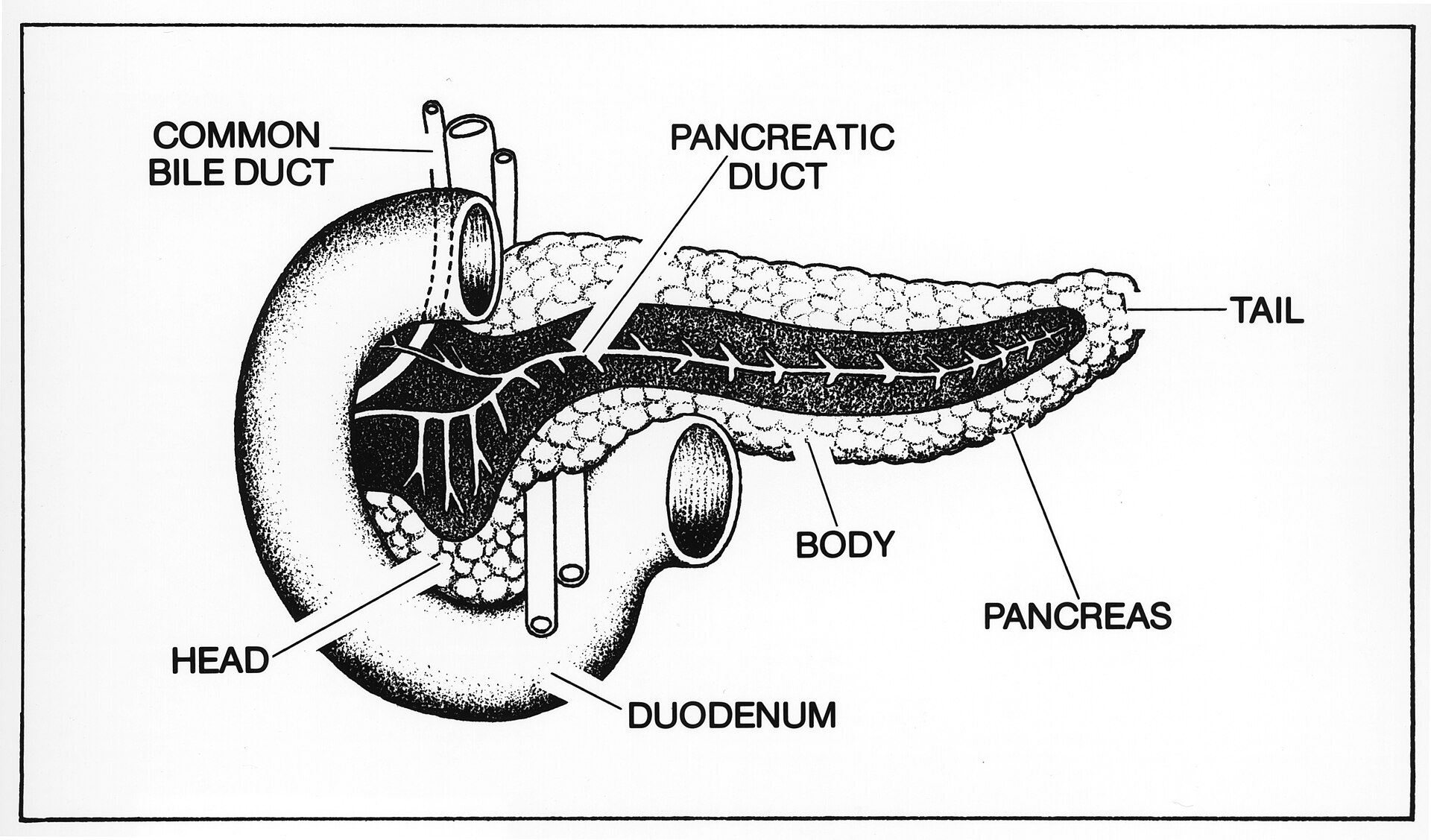
A randomized, double-blind, placebo-controlled phase 2 trial in 493 adults with obesity has reported results for petrelintide, a long-acting amylin analogue [1]. The trial adds controlled human data to a drug class that works through a different pathway from incretin-based (GLP-1) drugs [1, 2]. Two new reviews place it alongside eloralintide and amylin/GLP-1 combinations. Both are clear that the class still lacks long-term and cardiovascular outcome data [2, 3].
Key takeaways
- In a 42-week phase 2 trial (493 randomized, 485 dosed), average weight change at 28 weeks was −7.9% to −9.8% across five petrelintide dose levels, compared with −1.7% with placebo [1].
- Nausea was the most common side effect: 20% with petrelintide versus 6% with placebo. Rates of vomiting, diarrhoea and constipation were low in both groups [1].
- Reviews report larger weight changes for eloralintide, zenagamtide and the cagrilintide–semaglutide combination [2]. Those figures come from different trials of different lengths and cannot be compared directly.
- No amylin receptor agonist has yet been tested in a dedicated cardiovascular outcomes trial [3].
What the petrelintide trial tested
This was a multicentre, randomized, double-blind, placebo-controlled phase 2 trial at 32 hospitals and clinics in Poland, Romania and the USA [1]. It enrolled adults without type 2 diabetes. Participants had a BMI of at least 30, or a BMI of at least 27 together with high blood pressure, abnormal blood lipids, or both [1].
Participants were randomly assigned in a 5:1 ratio to one of five petrelintide dose levels or to placebo [1]. Treatment lasted 42 weeks, including a dose-escalation period [1]. The main outcome was percentage change in body weight after 28 weeks [1].
Of 714 people screened, 493 were randomized and 485 received at least one dose. That left about 80 people in each group [1]. Participants had a mean age of 47 years, a mean weight of 107.1 kg and a mean BMI of 36.7. Overall, 53% were female and 86% were White [1].
The trial is registered as NCT06662539 and was completed on March 7, 2026 [1]. It was funded by the company developing petrelintide [1].
What it found
At 28 weeks, mean weight change was [1]:
- −7.9% at each of the two lowest dose levels
- −9.3% to −9.8% at the three higher dose levels
- −1.7% with placebo
Compared with placebo, the estimated differences ranged from −6.2 to −8.1 percentage points [1]. Weight loss did not keep rising with dose: the three higher dose levels gave broadly similar results [1]. Weight kept falling through week 42, with reductions of up to 10.7% in petrelintide groups [1].
The authors describe the weight reduction as clinically meaningful [1]. Several design features limit what the results can show:
- How the main result was calculated. The headline figures use an efficacy estimand [1]. This approach estimates the effect if people stay on treatment as planned. It usually gives larger numbers than an analysis that counts everyone, including those who stop treatment.
- Missing data. The analysis assumed missing data were missing at random [1].
- Partial masking. Participants and staff did not know whether someone received petrelintide or placebo, but they did know which dose level was assigned [1].
- Who was studied. Groups were small (about 80 each), most participants were White, and people with type 2 diabetes were excluded [1].
- Length. Follow-up was 42 weeks [1]. That says little about effects over years.
Side effects
Nausea was the most common adverse event. It affected 79 of 404 people (20%) on petrelintide versus 5 people (6%) on placebo [1]. Other gastrointestinal effects were reported as follows [1]:
| Side effect | Petrelintide | Placebo |
|---|---|---|
| Vomiting | 12 (3%) | 5 (6%) |
| Diarrhoea | 30 (7%) | 6 (7%) |
| Constipation | 28 (7%) | 3 (4%) |
No deaths were reported [1]. The authors say the nausea was mostly mild and occurred mainly during dose escalation [1]. The abstract does not give detailed data on serious adverse events or on how many people stopped treatment because of side effects [1].
Where petrelintide sits among other amylin-based agents
A narrative review covering literature up to June 2026 describes three other amylin-based agents now in development [2]. A narrative review summarizes studies selected by its authors; it does not systematically pool every study.
- Zenagamtide (formerly amycretin) is a single molecule that activates both amylin and GLP-1 receptors [2]. As an oral form, it was linked to weight loss of up to 13.1% in an 85-day phase 1 study [2]. As an injected form, it was linked to weight loss of up to 24.3% in a 36-week phase 1b/2a study [2].
- Eloralintide acts mostly on the amylin type 1 receptor [2]. It was linked to weight loss of up to 20.1% in a 48-week phase 2 study [2].
- Cagrilintide–semaglutide combines an amylin analogue with a GLP-1 drug [2]. It was linked to weight loss of up to 22.7% in a 68-week phase 3a study [2]. The review calls it the most-studied of these agents in type 2 diabetes [2]. It reports HbA1c reductions of up to 2.0% and diabetes remission in about half of treatment-naïve participants in a 40-week phase 3a trial [2].
On safety, the review says side effects with zenagamtide and cagrilintide–semaglutide are broadly consistent with GLP-1 drugs [2]. Preliminary evidence suggests that eloralintide, which acts on amylin receptors alone, may have a different profile that includes fatigue, headache and appetite loss [2].
These figures should not be read as a ranking. The review reports best-case results from trials of different phases, lengths and populations [2]. Two of the agents also act on GLP-1 receptors [2]. The petrelintide trial was 42 weeks long and studied an amylin analogue alone [1]. No head-to-head comparison is reported in these sources [1, 2].
Heart and metabolic markers
A separate literature review looks at early eloralintide studies and asks whether they hint at cardiovascular benefit [3]. It reports that eloralintide was linked to lower body weight, pulse rate, blood pressure, inflammatory markers (including high-sensitivity C-reactive protein) and lipid levels [3]. It also reports that a larger share of the weight lost was fat mass [3].
The lower pulse rate stands out to the authors. GLP-1 drugs are associated with a higher heart rate [3].
The review is clear about the limits of this evidence [3]:
- It rests on preclinical, phase 1 and phase 2 studies with small samples and short durations. Preclinical (animal) results do not show what happens in people.
- No amylin receptor agonist has been tested in a dedicated cardiovascular outcomes trial.
- Comparisons with population-based benchmarks are context, not predictions.
Larger trials are under way. A phase 3 study of eloralintide is recruiting people with persistent obesity who are already receiving an incretin-based drug [4]. As of its last update on September 22, 2026, it is a registry record only, with no results posted [4].
What we still don’t know
- Long-term effects. The petrelintide trial ran for 42 weeks [1]. It does not show whether weight change lasts over years, or what happens after treatment stops.
- Heart outcomes. It is unknown whether amylin-based drugs reduce heart attacks, strokes or cardiovascular deaths, because no outcomes trial has been done [3].
- Wider populations. People with type 2 diabetes were excluded, and 86% of participants were White [1]. Results may differ in other groups.
- Body composition for petrelintide. The trial used MRI in some participants, but the abstract does not report those findings [1].
- Direct comparisons. None of these sources reports a head-to-head trial, either among amylin-based agents or against GLP-1 drugs [1, 2].
- Phase 3 evidence. Results from larger phase 3 trials, such as the ongoing eloralintide study, are still pending [4].
References
- Petrelintide, a human amylin analogue for the treatment of obesity (ZUPREME 1): a randomised, double-blind, placebo-controlled, phase 2 trial. The Lancet Diabetes & Endocrinology (2026). doi:10.1016/S2213-8587(26)00213-5
- New Amylin-Based Agonists for the Treatment of Obesity and Type 2 Diabetes Mellitus. Diabetes Therapy (2026). doi:10.1007/s13300-026-01921-0
- Cardiometabolic Risk Reduction Through Selective Amylin Receptor Agonism. Cardiology in Review (2026). doi:10.1097/CRD.0000000000001468
- A Study of Eloralintide (LY3841136) in Participants With Persistent Obesity Who Are Treated With a Weekly Incretin. ClinicalTrials.gov NCT07392190, status: recruiting.
Image credits
Free to use (CC0 / public domain); credited as a courtesy.
- Pancreas (1).jpg, by Unknown Illustrator (Public domain, via wikimedia-commons): source
