Peptide-guided radiation for refractory meningioma: 69-patient data
News
A 69-patient French cohort reports outcomes of lutetium-177 dotatate in hard-to-control meningiomas. New reviews explain why receptor scans can mislead.
A new multicenter study from France describes 69 people with meningiomas that kept growing despite surgery and radiotherapy and who then received lutetium-177 dotatate, a radioactive drug carried by a somatostatin-like peptide [1]. Earlier evidence for this use came mainly from small single-center studies, so a cohort pooled from 18 centers with centrally reviewed scans adds useful real-world detail [1]. Three new reviews look at how far this approach extends beyond neuroendocrine tumors and where the receptor scans used to choose patients can mislead [2, 3, 4].
Key takeaways
- In the retrospective MELUTE cohort of 69 people with refractory meningioma, 70% had not progressed at six months, and grade 3 side effects (mostly low lymphocyte counts) occurred in 16% [1].
- The study had no comparison group, so it cannot show whether outcomes were better than they would have been without this therapy [1].
- Reviews report that somatostatin receptors appear on several non-neuroendocrine tumors, but in some cancers the receptor sits mainly on surrounding immune or support cells rather than the tumor cells themselves [2].
- A bright receptor scan confirms that the target is present, but it does not measure the radiation dose a tumor receives or guarantee a response [3, 4].
How peptide receptor radionuclide therapy works
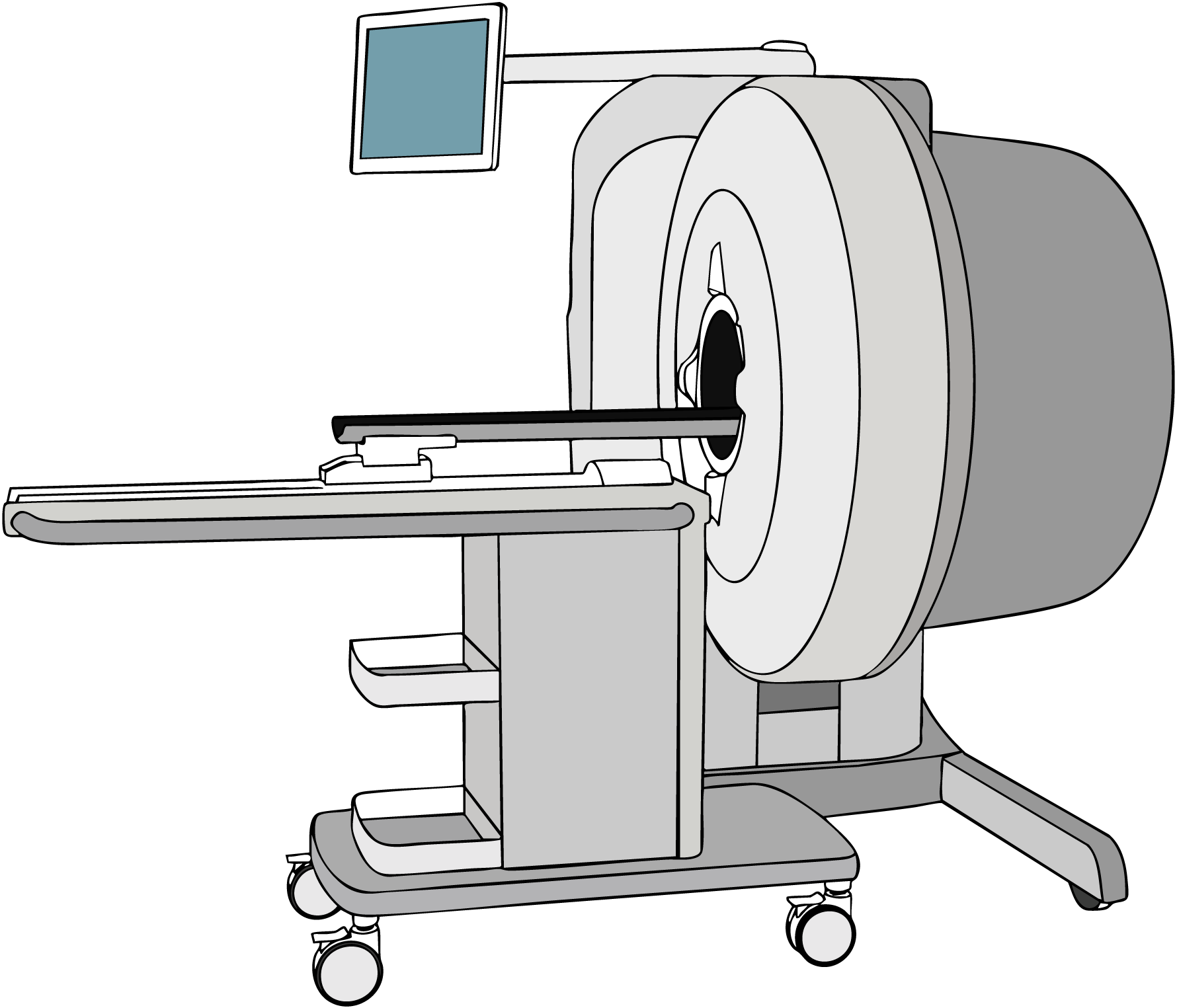
The idea is called theranostics: an imaging agent and a radioactive therapeutic drug are aimed at the same molecular target [3]. A PET scan first shows whether the target is present and how widely the disease has spread, and a related radiopharmaceutical then carries radiation to cells that display that target [3].
For peptide receptor radionuclide therapy, the target is the somatostatin receptor (SSTR) [2]. SSTR-targeted imaging and therapy are established approaches in neuroendocrine tumors [2]. A review of theranostic PET lists SSTR PET-guided peptide receptor radionuclide therapy for neuroendocrine tumors as one of three established applications, alongside PSMA-guided lutetium-177 vipivotide tetraxetan in prostate cancer and radioiodine in differentiated thyroid cancer [3].
Meningiomas are tumors of the membranes around the brain and spinal cord. According to a molecular-to-clinical review, meningioma is one of the non-neuroendocrine tumors with relatively prominent SSTR expression on the tumor cells themselves [2]. That is the biological reason researchers have tested this approach in meningioma.
The MELUTE cohort: what was studied and what was found
MELUTE is a retrospective multicenter cohort study, meaning researchers collected records of people already given the therapy rather than assigning it in a planned trial [1]. It included 69 adults at 18 French centers who received lutetium-177 dotatate between July 2022 and December 2024 under a compassionate-use program approved by a national multidisciplinary tumor board [1]. Everyone received a standardized regimen, and survival status was recorded up to October 1, 2025 [1].
The group was mixed [1]. Mean age was 65, and 52% were female [1]. By World Health Organization (WHO) grade, 13 tumors were grade 1, 42 were grade 2, 8 were grade 3, and 6 had no tissue diagnosis [1]. Most people had already had surgery (86%) or radiotherapy (93%), and about a third (32%) had received a prior systemic therapy [1].
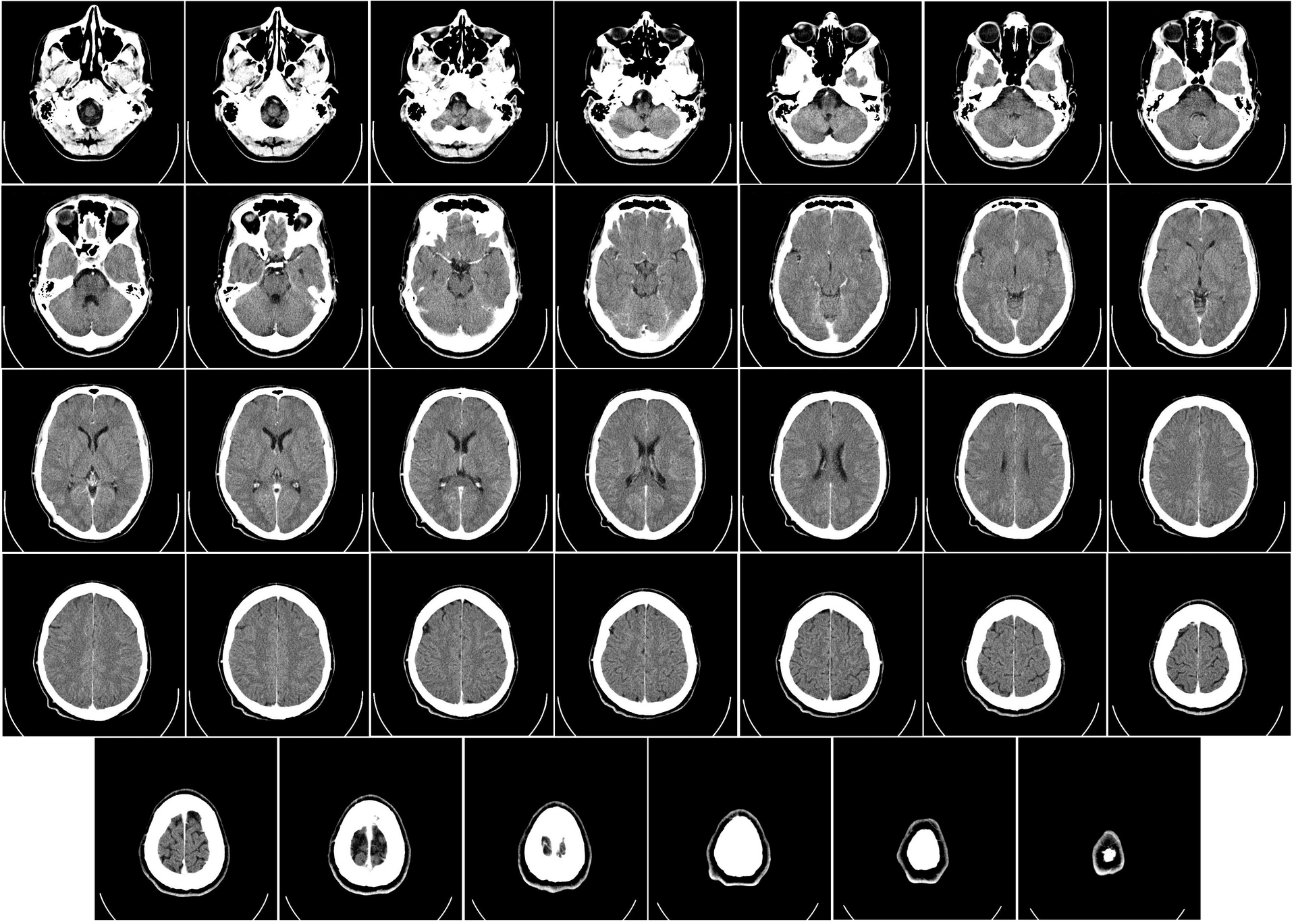
Baseline SSTR PET scans and brain MRI scans taken before and after therapy were reviewed centrally [1]. The main outcome was the share of people without tumor progression at six months, measured by tumor volume using standard neuro-oncology response criteria [1].
The reported results were [1]:
- Six-month progression-free survival: 70% (95% confidence interval 58.7% to 80.4%).
- Median progression-free survival: 14.6 months.
- Median overall survival: 27.6 months; the upper bound of the confidence interval was not reached.
- Safety: grade 3 adverse events occurred in 16%, mainly lymphopenia (a drop in a type of white blood cell).
- Completion: 12 people (17%) did not complete the planned course, and only one of those stopped because of side effects.
In the authors’ analysis, a higher WHO grade independently predicted shorter progression-free survival, while better baseline functional status (Karnofsky score) and corticosteroid use were linked to longer progression-free survival [1]. Faster tumor growth before therapy and prior systemic therapy were linked to shorter overall survival [1]. The authors describe the efficacy as promising and the safety as favorable in a group with limited options [1].
What the MELUTE data cannot show
The study design limits what these numbers mean [1]. With no control group, the cohort cannot show how these tumors would have behaved without the drug [1]. Because it is retrospective, people were selected for compassionate use by a tumor board rather than at random, which can shape who was included [1]. The cohort mixed three WHO grades plus unbiopsied tumors, and grade itself was tied to outcome, so the overall averages blend groups that may behave quite differently [1].
The statistical links to steroid use and functional status are associations from an observational dataset, not evidence of cause [1]. Finally, the results summarized here come from the published abstract [1].
Beyond neuroendocrine tumors: promise and caveats
A 2026 review examined SSTR expression across central nervous system tumors, head and neck cancers, thyroid carcinoma, lung cancer, breast cancer, lymphoma and melanoma [2]. Alongside meningioma, it identified non-keratinizing nasopharyngeal carcinoma and some estrogen receptor-positive breast cancers as showing relatively prominent SSTR expression on tumor cells [2].
In several other cancers, the review notes, SSTR signal may come mostly from tumor-associated macrophages, blood-vessel cells, fibroblasts or other supporting tissue rather than the cancer cells [2]. That matters because a scan can light up without the tumor cells themselves carrying much target [2]. Imaging findings varied both between and within tumor types [2]. The authors conclude that early studies suggest benefit in selected patients, but the evidence is limited and largely non-prospective [2].
One example of prospective work being planned is a registry entry for a phase 1/2 study of 177Lu-DOTA-EB-TATE, a modified somatostatin-analogue radiopharmaceutical, in adults with metastatic oncocytic (Hürthle-cell) thyroid cancer that does not respond to radioactive iodine [6]. As of its last update in October 2026, it was listed as not yet recruiting, and no results are available [6].
When the receptor scan can mislead
A review of SSTR PET pitfalls describes how normal organ uptake, normal anatomical variants, technical artifacts, inflammation, and benign or non-neuroendocrine lesions can all create uptake that looks like tumor [4]. In the other direction, small lesions, high background signal and genuinely low receptor levels can hide or understate disease [4].
For selecting patients, the review highlights uneven receptor expression between lesions: strong uptake in some tumors does not mean all clinically relevant lesions carry enough target [4]. Prior somatostatin analogue drugs can change normal-organ uptake and contrast, and liver and spleen uptake can shift between scans, so they may not be reliable reference tissues [4]. The authors recommend combining molecular, anatomical and clinical information rather than relying on a single uptake value or a simple positive/negative call [4].
The theranostics review makes a related point: diagnostic uptake confirms that the target is available, but it neither measures the delivered radiation dose nor guarantees a response [3]. It adds that biomarkers, dosimetry and response frameworks remain variably validated [3].
Safety knowledge also comes mainly from neuroendocrine tumors. A systematic review of 28 studies (18 case reports or series, 7 retrospective and 3 prospective studies) found that PRRT can trigger hormonal crises in people with hormone-producing neuroendocrine tumors [5]. Carcinoid crisis was the most commonly reported, with an incidence of about 1% in available cohorts, though definitions varied [5]. The authors judged the evidence insufficient for firm recommendations [5].
What we still don’t know
- Whether lutetium-177 dotatate changes the course of refractory meningioma compared with other options, which would require a randomized trial; MELUTE had no comparison group [1].
- How results differ by WHO grade in larger, grade-specific groups, given that grade predicted progression in MELUTE [1].
- Which imaging measures best identify people likely to respond, since uptake intensity alone does not measure delivered dose or guarantee response [3, 4].
- How much of the SSTR signal in non-neuroendocrine cancers comes from tumor cells versus surrounding tissue, and what that means for patient selection [2].
- Whether planned prospective studies outside neuroendocrine tumors, such as the registered thyroid cancer trial, will confirm early observations [2, 6].
References
- Radiopharmaceutical Therapy with [177Lu]Lu-DOTATATE in Refractory Meningiomas: Results from the French Multicenter MELUTE Cohort. Journal of Nuclear Medicine (2026). doi:10.2967/jnumed.126.272735
- Somatostatin Receptor Expression and Theranostic Applications Across Non-Neuroendocrine Tumors: A Molecular-to-Clinical Review. International Journal of Molecular Sciences (2026). doi:10.3390/ijms27198687
- PET in Theranostics. Radiologic Clinics of North America (2026). doi:10.1016/j.rcl.2026.08.012
- Normal variants, pitfalls, and interpretation challenges of somatostatin receptor PET. Seminars in Nuclear Medicine (2026). doi:10.1053/j.semnuclmed.2026.10.002
- Prevention and management of hormonal crisis in neuroendocrine tumors undergoing PRRT (peptide receptor radionuclide therapy): a systematic review. ESMO Gastrointestinal Oncology (2026). doi:10.1016/j.esmogo.2026.100428
- 177Lu-DOTA-EB-TATE in Adult Patients With Metastatic, Radioactive Iodine Non-Responsive Oncocytic (Hurthle-Cell) Thyroid Cancer. ClinicalTrials.gov NCT06991738, status: not yet recruiting.
Image credits
Free to use (CC0 / public domain); credited as a courtesy.
- Preclinical PET-CT Imaging System for Medium-Sized Animals (NIH BioArt 697 – 782772).png, by Courtesy of NIAID
Malcolm Houston (Public domain, via wikimedia-commons): https://commons.wikimedia.org/wiki/File:Preclinical_PET-CT_Imaging_System_for_Medium-Sized_Animals_(NIH_BioArt_697_-782772).png
– Computed tomography of human brain – large.png, by Department of Radiology, Uppsala University Hospital. Uploaded by Mikael Häggström. (CC0, via wikimedia-commons): https://commons.wikimedia.org/wiki/File:Computed_tomography_of_human_brain-_large.png