Survodutide phase 3 trial: weight and blood sugar in type 2 diabetes
News · Survodutide
A 76-week phase 3 trial in 752 adults with obesity and type 2 diabetes reports weight and HbA1c changes with survodutide, plus common GI side effects.
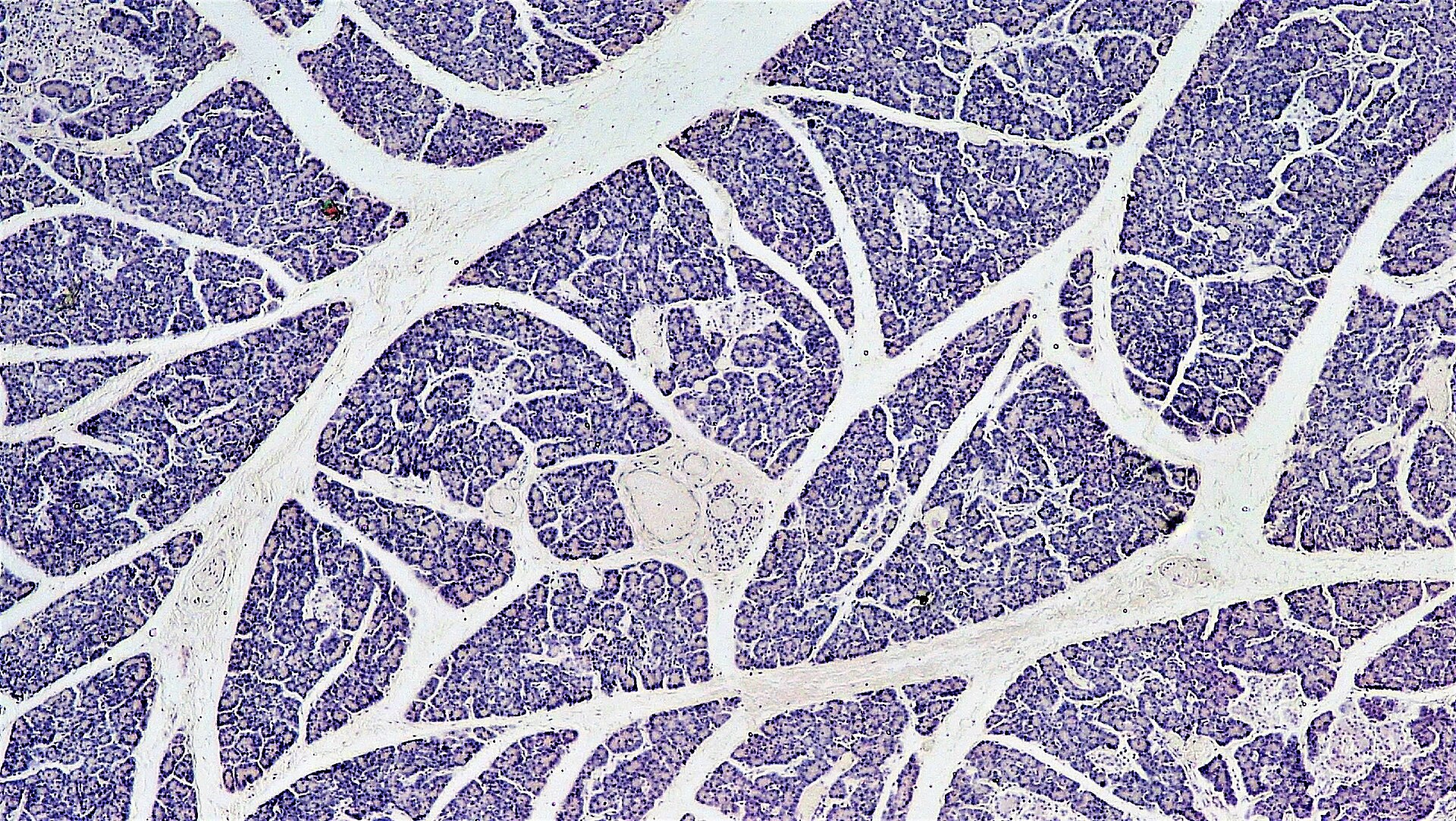
Survodutide, an investigational drug that activates both the glucagon receptor and the GLP-1 receptor, has its first large phase 3 results in people living with both obesity and type 2 diabetes [1]. Over 76 weeks, 752 adults in a randomized, placebo-controlled trial lost more weight on survodutide than on placebo, and their average blood sugar fell modestly [1]. A new class-wide meta-analysis and two reviews help place the findings next to similar drugs and highlight the side effects and gaps that remain [2, 3, 4].
Key takeaways
- In a double-blind phase 3 trial of 752 adults with obesity and type 2 diabetes, mean weight change at 76 weeks was -8.2% and -9.8% at two survodutide dose levels, compared with -3.9% on placebo [1].
- Average HbA1c fell by 0.8 to 0.9 percentage points with survodutide versus 0.2 points with placebo, from a starting level of 7.4% [1].
- Gastrointestinal side effects were common, reported in about three in four people on survodutide versus about four in ten on placebo [1].
- A meta-analysis of 19 randomized trials of dual GLP-1/glucagon agonists found weight and metabolic improvements with no difference in serious adverse events, but called for longer trials on durability and cardiovascular safety [2].
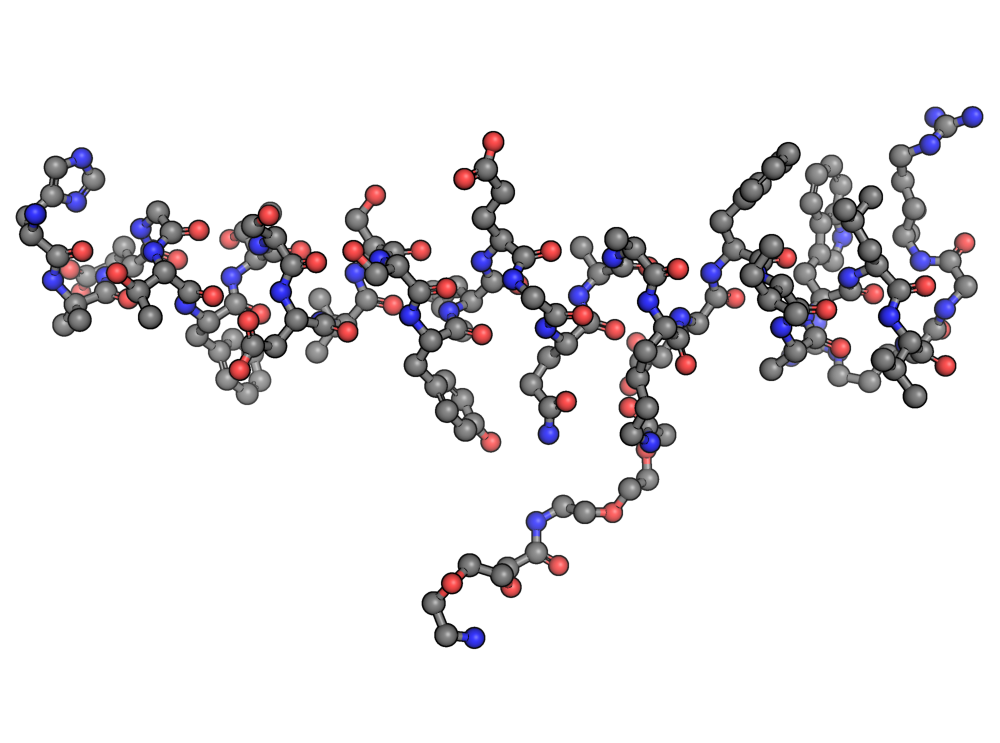
The phase 3 trial: who was studied and what was measured
The trial, called SYNCHRONIZE-2 (ClinicalTrials.gov NCT06066528), was a multinational, double-blind, randomized controlled trial [1]. It enrolled adults with type 2 diabetes and a body-mass index (BMI) of 27 or higher [1]. Participants were randomly assigned in equal numbers to one of two survodutide dose levels or to placebo, given once weekly by injection under the skin [1].
At the start, the 752 participants had a mean age of 55.7 years and a mean BMI of 36.5, and 49.3% were men [1]. The groups were close in size: 250 and 251 people in the two survodutide arms and 251 on placebo [1].
The trial had two primary end points: the percent change in body weight and the share of people losing at least 5% of their starting weight, both measured at week 76 [1]. The study was funded by the drug’s developer [1].
What the trial found
Weight. The researchers reported results using a “treatment-regimen estimand”, which counts everyone’s outcome regardless of whether they stopped or paused the study drug or used other weight-loss therapies [1]. On this measure, mean weight change at week 76 was -8.2% (95% CI -9.2 to -7.2) in the lower-dose group, -9.8% (95% CI -10.8 to -8.8) in the higher-dose group, and -3.9% (95% CI -4.9 to -2.9) in the placebo group [1]. That means the gap between survodutide and placebo was roughly 4 to 6 percentage points of body weight [1].
A weight reduction of at least 5% was reached by 57.6% and 64.5% of people in the two survodutide groups, compared with 35.1% on placebo [1]. All comparisons with placebo were statistically significant (P<0.001) [1].
Blood sugar. Starting from an average HbA1c of 7.4%, HbA1c fell by 0.9 percentage points in the lower-dose group, 0.8 points in the higher-dose group, and 0.2 points with placebo [1]. The higher dose produced more weight loss but not a larger HbA1c drop in these averages [1].
Side effects. Gastrointestinal adverse events were the most common, affecting 72.8% and 77.7% of the two survodutide groups versus 38.6% of the placebo group [1]. The authors described these as generally mild to moderate and transient [1].
Limits. The abstract does not report how many people stopped the drug because of side effects, which matters for how the weight results translate to real-world persistence [1]. The trial ran for 76 weeks, so it cannot show what happens over many years or after the drug is stopped [1]. It measured weight and HbA1c, not hard outcomes such as heart attacks, strokes or deaths [1]. And it compared survodutide only with placebo, not with other approved drugs in the same space [1].
How it compares with earlier and related evidence
A 2026 review summarizes survodutide’s development [3]. In an earlier phase 2 trial in adults with a BMI of 27 or more who did not have diabetes, the highest dose tested produced a mean weight reduction of up to 18.7% at 46 weeks, versus 2.3% with placebo [3]. That trial differed from the new one in population, duration and analysis, so the numbers cannot be compared directly [1, 3].
The review describes the proposed mechanism: GLP-1 receptor activity reduces food intake, while glucagon receptor activity may affect energy expenditure and liver metabolism [3]. It notes that survodutide is not approved for routine clinical use [3].
A systematic review and meta-analysis pooled 19 randomized controlled trials of four dual GLP-1/glucagon receptor agonists: mazdutide, survodutide, cotadutide and efinopegdutide [2]. It deliberately excluded drugs that also act on the GIP receptor, such as tirzepatide and retatrutide, to look at this class on its own [2]. Across trials, dual agonists reduced body weight by a mean of 6.65 kg (moderate certainty) and 7.15% relative to controls, and made at least 5% weight loss more likely (risk ratio 4.75, low certainty) [2]. Mazdutide and survodutide showed the largest effects [2].
The meta-analysis also found improvements in HbA1c, BMI, waist circumference, systolic blood pressure and triglycerides [2]. Any adverse events were more frequent with dual agonists (risk ratio 1.16), while serious adverse events did not differ from controls (risk ratio 0.90, high certainty) [2]. Its main limits are that it pools different drugs, doses and populations, some estimates carry low certainty, and the included trials mostly speak to short-term safety [2].
Gastrointestinal side effects across the drug family
A narrative expert review of GLP-1-based therapies describes nausea, vomiting, diarrhea and constipation as established class effects, occurring in about 30% to 50% of patients, usually when starting or stepping up the dose [4]. It lists likely mechanisms: slower stomach emptying, activation of nausea pathways in the brain, changes in gut movement, and the effects of rapid weight loss itself [4].
The review reports that randomized trial data have not shown a class-wide excess risk of acute pancreatitis, while gallstones show a probable association that appears largely driven by weight loss [4]. For pipeline agents including survodutide, early data suggest a gastrointestinal profile similar to approved drugs, though the authors stress the evidence is still limited [4]. As a narrative review, it does not pool data systematically, and its conclusions reflect expert interpretation [4].
The rate of gastrointestinal events in the survodutide phase 3 trial sits above the 30% to 50% range the review cites for the class, though rates from different trials and definitions are not directly comparable [1, 4].
An early kidney signal, in mice only
A separate 2026 study tested survodutide in a mouse model of advanced diabetic kidney disease [5]. Female obese, diabetic db/db mice had one kidney removed and were given a virus that raises renin to accelerate kidney damage, then received survodutide or a vehicle control for 10 weeks [5]. The abstract does not give the number of animals [5].
Compared with controls, survodutide-treated mice had lower body weight, blood sugar and HbA1c, along with less albuminuria, glomerular scarring, kidney enlargement and inflammation [5]. These are results in a single genetically modified mouse model; they do not show that survodutide protects human kidneys, and no human kidney outcomes were reported in the phase 3 trial abstract [1, 5].
What we still don’t know
- Durability: whether weight and HbA1c changes hold beyond 76 weeks, and what happens after the drug is stopped [1, 3].
- Long-term and cardiovascular safety: neither the phase 3 trial nor the meta-analysis can answer this yet; the meta-analysis authors call for longer trials [1, 2].
- Persistence: how many people stay on the drug given the high rate of gastrointestinal side effects [1, 3, 4].
- Comparisons: how survodutide performs head-to-head against other weight-loss drugs [2, 3].
- Kidney effects in people: the kidney findings so far come from mice [5].
- Full data: the results here are drawn from published abstracts, and further detail, including the companion SYNCHRONIZE trials in people without diabetes, is still emerging [1, 3].
References
- Survodutide Once Weekly in Adults with Obesity and Type 2 Diabetes. New England Journal of Medicine (2026). doi:10.1056/NEJMoa2607219
- Efficacy and Safety of Dual GLP ‐1/Glucagon Receptor Agonism in Overweight and Obesity: A Class‐Specific Systematic Review and Meta‐Analysis. Diabetes, Obesity and Metabolism (2026). doi:10.1111/dom.71400
- Survodutide for the treatment of obesity: Mechanistic rationale, clinical evidence, and remaining uncertainties. Contemporary Clinical Trials (2026). doi:10.1016/j.cct.2026.108493
- Gastrointestinal adverse effects of GLP‐1 receptor agonists and dual GIP/GLP‐1 receptor agonists: A narrative expert review of approved therapies, oral formulations, and pipeline agents. Nutrition in Clinical Practice (2026). doi:10.1002/ncp.70180
- Nephroprotective Effects of the Dual GCGR / GLP ‐ 1R Agonist Survodutide in Hypertension‐Accelerated Diabetic Kidney Disease. Diabetes, Obesity and Metabolism (2026). doi:10.1111/dom.71387
Image credits
Free to use (CC0 / public domain); credited as a courtesy.
- The Endocrine and Exocrine Pancreas (32757253247).jpg, by Berkshire Community College Bioscience Image Library (CC0, via wikimedia-commons): source
- Semaglutide PDB=7ki0.png, by Deposition authors: Zhang, X., Belousoff, M.J., Danev, R., Sexton, P.M., Wootten, D.; Visualization author: Synpath (CC0, via wikimedia-commons): source

