Tirzepatide and sleep apnea: what randomized trials show so far
News · Tirzepatide
A meta-analysis of 6 trials links GLP-1-based drugs to lower sleep apnea severity, but results varied widely, and brain-benefit claims remain unproven.
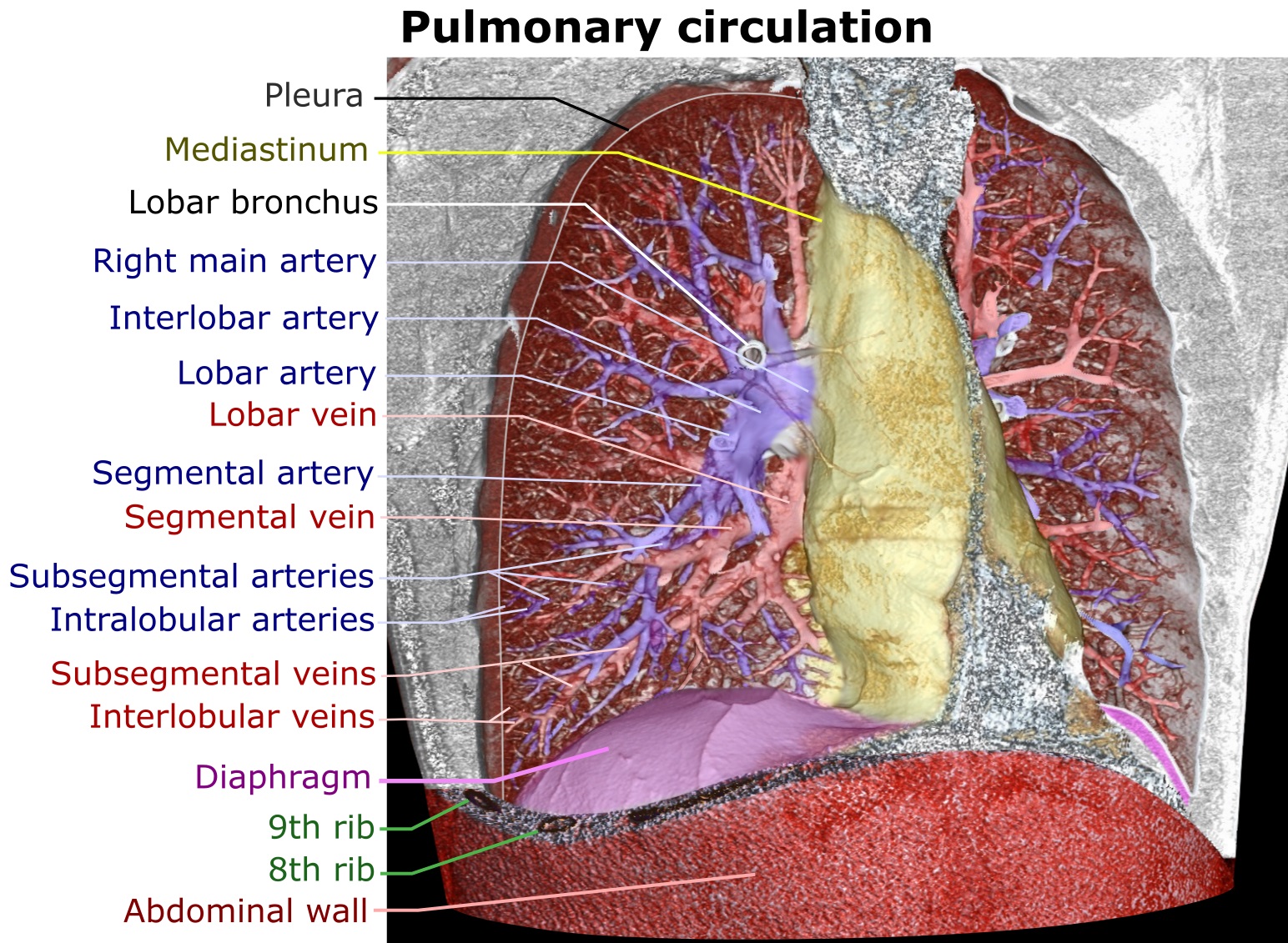
A new meta-analysis pooled six randomized trials of GLP-1-based drugs in adults with moderate-to-severe obstructive sleep apnea, and two of those trials tested tirzepatide [1]. Compared with control groups, the drugs were linked to fewer breathing interruptions during sleep and to lower body weight, but the individual trials disagreed sharply on how large those effects were [1]. A separate review adds a caution: claims that tirzepatide might protect the brain still rest mostly on observational and animal data [2].
Key takeaways
- A systematic review and meta-analysis of 6 randomized trials (1,069 participants: 4 on liraglutide, 2 on tirzepatide) found that GLP-1-based therapies lowered the apnea-hypopnea index (AHI) by about 10 events per hour compared with control [1].
- The results were highly inconsistent across trials (I² = 87% for AHI and 98% for weight), so the size of the pooled effect is uncertain [1].
- The authors say the findings do not establish these drugs as substitutes for CPAP, the standard breathing-device therapy [1].
- A narrative review reports that evidence on tirzepatide and brain health is still mainly observational or preclinical, and related drugs have not shown clear benefits in Alzheimer’s or Parkinson’s trials [2].
The sleep apnea meta-analysis: what was pooled
The main new paper is a systematic review and meta-analysis of randomized controlled trials, registered in advance with the PROSPERO database [1]. The authors searched databases and trial registries up to February 10, 2025, looking for trials that compared GLP-1 receptor agonist-based therapies with a control in adults with moderate-to-severe obstructive sleep apnea [1].
They found six eligible trials with 1,069 participants in total [1]. Four trials tested liraglutide, a GLP-1 receptor agonist, and two tested tirzepatide, which acts on both the GLP-1 and GIP receptors [1, 3]. The review measured the apnea-hypopnea index, body weight, the oxygen desaturation index (ODI), minimum oxygen saturation, blood pressure and adverse events [1].
One point matters for readers interested in tirzepatide specifically. The headline numbers combine both drugs, and only two of the six trials involved tirzepatide [1]. The abstract does not report separate results for each drug, so the pooled figures should not be read as tirzepatide’s own effect [1].
What it found
Compared with control, the GLP-1-based therapies lowered AHI by 9.99 events per hour on average (95% CI, 16.47 to 3.50 fewer events per hour) [1]. AHI counts how often breathing stops or becomes shallow per hour of sleep, and it is the usual way to grade sleep apnea severity [1].
Body weight fell by 9.68 kg on average compared with control (95% CI, 15.84 to 3.51 kg lower) [1]. Systolic blood pressure was 4.77 mmHg lower and diastolic blood pressure 1.41 mmHg lower [1].
Not every measure moved. The review found no significant differences in the oxygen desaturation index or in minimum oxygen saturation, two markers of how far blood oxygen drops during the night [1]. The pooled data did not show a higher risk of adverse events with the drugs than with control [1].
The authors conclude that these therapies lowered AHI and weight in the populations studied, and that the results support a possible role “within comprehensive OSA management” [1]. They also state that the findings do not establish the drugs as substitutes for CPAP [1].
Why the inconsistency matters
The authors themselves flag the biggest limit: substantial heterogeneity across trials [1]. The I² statistic estimates how much of the variation between studies reflects real differences rather than chance. Values above about 75% are usually read as high.
Here, I² was 87% for AHI and 98% for body weight [1]. In plain terms, the trials did not agree on how much benefit to expect, and the authors note that this limits interpretation of the pooled effect size [1]. Mixing two different drugs, liraglutide and tirzepatide, in one analysis is one plausible source of that spread, though the abstract does not break down the causes [1].
Other limits are worth keeping in mind. Six trials is a small evidence base, and the wide confidence intervals reflect that [1]. The analysis cannot tell whether improvements in AHI came from weight loss alone or from other effects, and the lack of change in oxygen measures leaves open how much the AHI change matters for nighttime oxygen levels [1]. The safety finding is limited to what the included trials reported, over their own follow-up periods [1].
Tirzepatide and the brain: mostly early evidence
Interest in GLP-1-based drugs has spread beyond weight and blood sugar to brain health. A 2026 narrative review looked at selective GLP-1 receptor agonists, dual agonists such as tirzepatide, and triple agonists that also target the glucagon receptor, such as retatrutide [2]. A narrative review summarizes the literature but does not pool data using a formal, pre-registered method [2].
In cell and animal studies, these drugs affected insulin signaling, synaptic function, mitochondria and brain inflammation, but responses varied by compound and experimental model [2]. These preclinical results do not show that the same effects happen in people.
The human trial record is mixed. In Alzheimer’s disease, liraglutide did not meet its primary endpoint, and semaglutide did not slow clinical progression [2]. Parkinson’s disease trials have given mixed results without showing that any of these drugs changes the course of the disease [2]. Observational studies linking the drugs to lower dementia risk remain open to confounding, meaning other differences between users and non-users could explain the link [2].
For tirzepatide and retatrutide, the review says the neurological evidence is still mainly observational or preclinical [2]. The authors add that stronger metabolic effects do not by themselves show brain protection, and that nutritional vulnerability during substantial weight loss may limit how widely such uses could apply [2].
What safety-report data can and can’t tell us
A third study took a different approach. It analyzed spontaneous reports in EudraVigilance, the European adverse-reaction reporting database, comparing tirzepatide reports with those for other GLP-1 receptor agonists [3]. This is a retrospective pharmacovigilance study, not a trial [3].
Among the terms analyzed, the most common were “off-label use” (n=1,521), “drug ineffective” (n=425) and “off-label use of device” (n=99) [3]. Across all reports, tirzepatide had lower reporting odds of “drug ineffective” than liraglutide, dulaglutide, exenatide and semaglutide [3]. In reports from healthcare professionals alone, however, there was no difference between tirzepatide and semaglutide [3]. Tirzepatide also had much higher reporting odds of “off-label use of device” than semaglutide, but the confidence interval was very wide (ROR 43.47, 95% CI 16.00 to 118.13), and the authors urge caution [3].
Reporting odds ratios compare how often a term shows up in reports, not how often an event happens in patients. They can be shaped by who reports, media attention and how long a drug has been on the market, so they signal patterns worth checking rather than measuring risk or effectiveness [3].
What we still don’t know
- How tirzepatide on its own compares with liraglutide for sleep apnea, since the meta-analysis pooled both and the abstract gives no drug-by-drug results [1].
- Why the trials varied so much, and what a reliable estimate of the benefit would be [1].
- Whether lower AHI translates into better oxygen levels, daytime symptoms or long-term heart health, given that oxygen measures did not change significantly [1].
- How these drugs might fit alongside CPAP, which the authors say they do not replace [1].
- Whether tirzepatide has any direct effect on the brain in people, which would need dedicated randomized trials with clinical outcomes and measures of drug exposure and target engagement [2].
- What the patterns in spontaneous safety reports mean for real-world use, which reporting data alone cannot answer [3].
References
- GLP-1 receptor agonists for obstructive sleep apnea: a meta-analysis of randomized controlled trials. Sleep and Breathing (2026). doi:10.1007/s11325-026-03826-5
- GLP-1, GIP, and Glucagon Receptor Agonism at the Obesity–Neurodegeneration Interface: A Narrative Review. International Journal of Molecular Sciences (2026). doi:10.3390/ijms27198738
- Tirzepatide safety in EudraVigilance: descriptive and disproportionality analysis of preferred terms related to suboptimal treatment outcomes and drug-use-related issues. BMJ Open (2026). doi:10.1136/bmjopen-2026-120507
Image credits
Free to use (CC0 / public domain); credited as a courtesy.
More on Tirzepatide
Open the hub


Real-world data: most stop semaglutide or tirzepatide within a year
Tirzepatide · News
What I wish I had read before starting (demo)
Tirzepatide · Member story